

Many people with DTs also have dehydration, electrolyte imbalances or mineral deficiencies. Your healthcare provider can treat these by infusing you (through an IV in your vein) with the necessary vitamins and minerals. Some infusions come specially prepared for this type of situation. An example of this is an infusion that healthcare providers often refer to by the nickname “banana bag” (because the solution in them is yellow).
Alcohol might help you get to sleep faster, but it keeps you from reaching the deepest, most restorative stages of sleep. As you experience fatigue from the strain of withdrawal, you will likely begin to notice that the sleep you get is far more restorative and that you feel much better when you wake up in the morning. The effects of high-quality sleep will continue to build each day. You can also reach out to free, confidential helplines, such as the 24/7 service described by RehabNet, where specialists explain detox options and refer you to appropriate Utah programs 7. Programs emphasizing continuity recognize recovery as an evolving process rather than a single event supported by long-term rehab.
- …doctors usually recommend supervised detox (inpatient or closelymonitored outpatient) rather than trying to quit alone at home.
- Doctors and nurses can provide you with medications for anxiety and avoiding seizures.5 They also check your blood pressure and other essential signs to ensure you stay hydrated.
- Since alcohol impacts various systems in the body, the withdrawal reactions may be unpredictable and may vary with time, similar to patterns discussed in negative symptoms caused by excessive alcohol use.
- Seizures can occur, and an uncommon but dangerous condition called delirium tremens can happen at this point in withdrawal.
Alcohol Detox at Home and the Risks People Don’t Expect
Reach out to our dedicated admissions team today to schedule a confidential evaluation, discuss your options, and start moving forward. For most people doing outpatient detox, symptoms begin to subside significantly by days 4 and 5. You’re not completely back to normal yet – sleep issues and mood problems can linger for weeks – but the acute physical danger has usually passed.
Take the Next Step
- Delirium tremens is the most severe form of alcohol withdrawal and causes life-threatening symptoms that require immediate medical attention.
- Document appointments in advance and ensure safe transportation, as withdrawal can impair judgment and driving abilities, and plan for reliable backup in case acute problems arise.
- They will initially be milder, with a headache, tremors and mild anxiety being the first symptoms.
- Remove all alcohol from your home or go stay at your support person’s alcohol-free space.
Read our plain-English guide to naltrexone to understand how it reduces the “pull” to drink and cuts down on heavy drinking days. Track Other Vital Signs – Log your pulse, blood pressure, and temperature regularly. Note how much fluid you’re drinking, when you take medications, and how much sleep you’re getting (even if it’s just an hour here and there). However, many people who don’t develop DTs notice symptoms start to plateau or show early improvement by the end of day 3. Daily medical visit continues to ensure you’re on the right track.
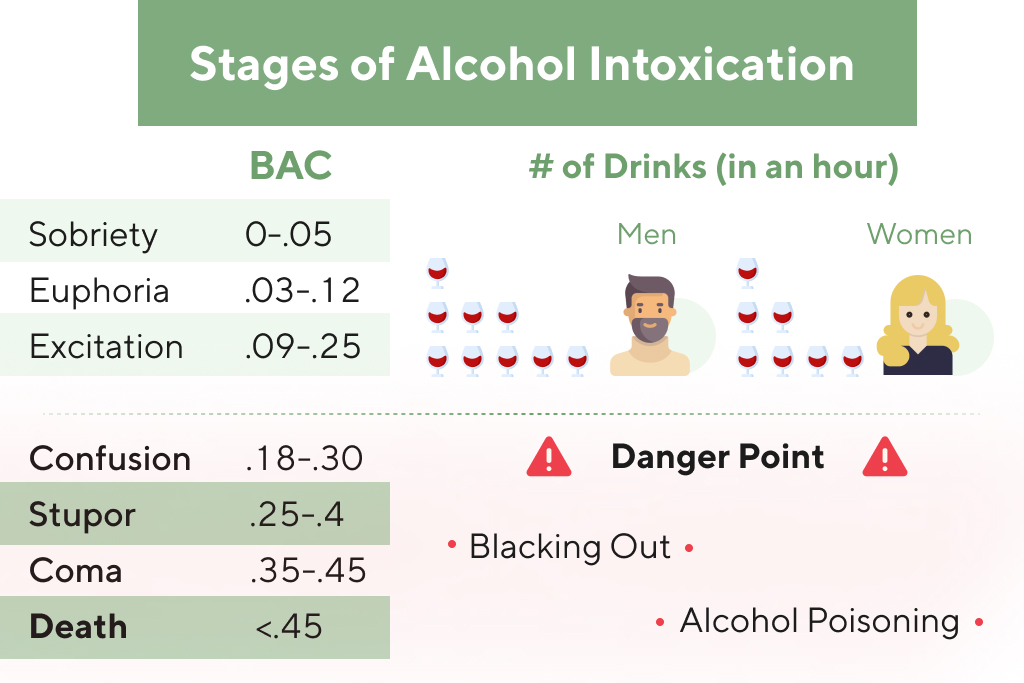
Safety First: Why Medical Help Matters
Many people notice hand shaking, internal “vibrating,” or full-body restlessness. The more important Substance abuse question is whether your symptoms are staying in a mild range or escalating into something unsafe. After detox, ongoing treatment through counseling, support groups such as Alcoholics Anonymous and mental health services administration programs can help support sobriety and address underlying issues. If you’re worried that someone you care about is trying to quit drinking on their own and it isn’t going well, you’re not alone.
Family, Employer, and Community Roles in Decision-Making
If you were prescribed medications, your support person helps log doses and track your CIWA-Ar scores every 4 to 6 hours. You’ll have a check-in with your clinician, either via telemedicine or in person. Importantly, seizure risk begins around the 12 to 48-hour mark, according to the Cleveland Clinic.
Leveraging Comprehensive Recovery Programs
- The staff always went above and beyond no matter what time of the day.
- Financial concerns shouldn’t prevent you from accessing safe detox.
- A relapse is returning to a substance after stopping it for a period of time.
- Viewing detox as one phase within a broader alcohol addiction treatment plan helps set realistic expectations.
The goal during this phase is to keep you safe, reduce discomfort, and prevent serious complications as your body clears alcohol. Choosing a rehab program after detox requires consideration of multiple factors. Transparent information and professional guidance support informed alcohol detox at home decision-making.
This format supports flexibility and real-world skill application within outpatient treatment. After detox, individuals typically undergo a comprehensive assessment to guide treatment planning. This assessment evaluates recovery needs, personal goals, and appropriate program intensity. During this recalibration period, you might experience a range of symptoms beyond the initial acute withdrawal. These can include mood swings, difficulty concentrating, disrupted sleep patterns, and heightened stress responses.
It Doesn’t Feel Like a Hangover—It Feels Like Your Body’s Panicking
The first step in a drug and alcohol detox program is a https://transparencia.bahiadebanderas.gob.mx/?p=20426 thorough assessment. Medical professionals will review your medical history, current substance use, and any underlying physical or mental health conditions. This evaluation allows the detox team to create a personalized treatment plan that ensures your safety throughout the process. During intake, patients may undergo lab tests, vital sign monitoring, and psychological evaluations to determine the most effective detox approach.
If You’re Thinking About Detoxing
You can always call us if you need any support to break free from any drink or drugs that impact your health. Many people choose home detox treatment for alcohol, which means they do not have to head into medical clinics or spaces for a long period of time. That’s why so many people look to start detoxing from alcohol consumption at home – so that they can ensure they break free from liquid dependency and return to a normal way of life. Throughout the first stages of consultation and your ongoing drug and alcohol withdrawal, we can be on hand to help, advise and provide support whenever you need us to. However, it is important to remember that alcohol treatment and withdrawal symptoms can affect different many individuals differently and finding the most suitable options for yourself is important.
 Ministerio de Educación