
COLEGIO CRISTIANO PUENTE DE SALVACIÓN

VILLAVICENCIO- META

Cognitive Behavioral Group Therapy for Generalized Anxiety Disorder

REBT encourages people to identify their general and irrational beliefs (e.g., ‘I must be perfect’) and subsequently persuades them to challenge these false beliefs through reality testing. For instance, becoming an overly protective parent can be a behavior stemming from certain thoughts and feelings. Behaviors are responses to stimuli and are influenced by thoughts and feelings. They can indicate an individual’s emotions, especially when not verbally expressed. The cognitive therapist teaches clients how to identify distorted cognitions through a process of evaluation. Intrusive thoughts, which can hinder daily functioning, are common, as evidenced by their mention by therapists.

  • In many cases, effective CBT can reduce the total number of sessions needed, which often makes it more cost-effective over time.
  • Ultimately, CBT gives you tools to reshape your inner world in ways that support well-being, resilience, and confidence.
  • Los Angeles is home to a dynamic mental health landscape shaped by innovation, cultural diversity, and access to highly trained professionals.
  • A person is then encouraged to address rational concerns practically, and to challenge irrational beliefs, rumination or catastrophizing.
  • Zydus Cadila employs a comprehensive strategy to address various health conditions, including insomnia.
  • This stage, known as functional analysis, is important for learning how thoughts, feelings and situations can contribute to maladaptive behaviors.

Sharing Resources with Clients

cbt treatment

Cognitive therapy helps people develop alternative ways of thinking and behaving to reduce their psychological distress. CBT aims to help people become aware of when they make negative interpretations and of behavioral patterns that reinforce distorted thinking. If CBT isn’t what’s best for you, there are other types of therapy that may be a better fit. Reach out to a doctor or a licensed mental health professional for help navigating the options.

  • Rational emotive behavior therapy later sparked the creation of cognitive behavior therapy.
  • Cognitive-behavioral treatment of late-life generalized anxiety disorder.
  • However, more research is needed to understand if CBT would suit people with brain injuries or other issues that affect thinking.
  • Psychiatrists in Los Angeles are increasingly trained to adapt CBT frameworks while maintaining evidence-based integrity.

Sleep Apnea vs. Insomnia

For personalized guidance, it is always best to consult with a healthcare professional. Cognitive behavioral therapy (CBT), a type of psychotherapy, is effective for many people with OCD. Exposure and response prevention (ERP), a part of CBT therapy, involves exposing you over time to a feared object or obsession, such as dirt. ERP takes effort and practice, but you may enjoy a better quality of life once you learn to manage your obsessions and compulsions. All Psychology Tools content is informed by evidence-based treatments, best practice guidelines, and up-to-date research.

Exercise 30 – Graded Hierachy of Anxiety Provoking Situations

Many private practices also Cognitive Behavioral Therapy share detailed information on their websites about how they use CBT and who they serve. Referrals from primary care doctors, pastors, or trusted friends can also be a helpful starting point. The cost of CBT should be weighed against the therapist’s expertise, the quality of care, and the outcomes you’re working toward.

  • This article will explore some effective CBT exercises for ADHD, providing valuable insights for those seeking support.
  • Because CBT is so well-researched and goal-oriented, it’s often the therapy people are referring to when they ask about costs and whether the investment is worth the results.
  • Tailoring recommendations is best done with the help of a doctor or CBT-I provider.
  • It provides you with tools to solve problems you’re currently going through.
  • Cognitive Behavioral Therapy, or CBT, is an evidence-based approach to therapy that focuses on the connection between thoughts, emotions, and behaviors.


Dependence vs Addiction: How to Tell the Difference

It occurs when the body becomes accustomed to a substance’s presence, necessitating higher doses for the same effects. Tolerance develops due to various physiological mechanisms, including changes in receptor sensitivity and neurotransmitter levels in the brain. It’s a hallmark of physical dependence and is commonly observed in addiction scenarios.

What Is Drug Detox Treatment: Understanding the Process

  • Mental dependence is when a person relies on a substance or behavior to cope with emotional challenges.
  • A key feature of addiction is compulsion—the uncontrollable urge to continue using the substance, despite the negative impact it may have on one’s life.
  • Understanding these distinctions is crucial for effective treatment and support.

Usually, misuse is too far from addiction to connect the two, but sometimes misuse can devolve and become an addiction concern. Medical practitioners, therefore, have the prerogative to determine which of these disorder differentiations entitle patients to residential or special outpatient services in cases of addiction and drug addiction treatment alcoholism. When patients understand medical terminology, they will be in a position to choose the right help services and deal with discrimination while seeking assistance.

dependence vs addiction vs abuse

What Is the Difference Between Substance Abuse and Substance Dependence?

  • Couples and family members who have been affected by addiction can benefit from family therapy to work through their issues, learn how to support each other in recovery, and receive support for themselves.
  • For example, if someone has a dependence on prescription opioids, they may feel unpleasant withdrawal symptoms when they stop taking them.
  • While the choice to initially try drugs or alcohol is voluntary, over time, it becomes harder to stop.
  • Currently, the only behavioral addiction included in the Diagnostic and Statistical Manual of Mental Disorders, 5th edition, text revision (DSM-5-TR) main list is gambling disorder.

The consequences of abuse can vary widely depending on the substance involved, the frequency and duration of use, and individual factors such as genetics and overall health. Addiction affects the way you think and behave, and it may involve substances or behaviors such as drugs, alcohol, sex, internet https://dev-nimra123.pantheonsite.io/does-drinking-alcohol-kill-bacteria-in-the-body/ use, and gambling. Once you have a tolerance, you might start taking higher doses to get the same effect. You might also become physically dependent on the drug, and feel withdrawal symptoms if you try to quit. Both phenomena also have a significant impact on an individual’s health and lifestyle. Dependence can lead to withdrawal symptoms, which can be uncomfortable or even life-threatening.

dependence vs addiction vs abuse

Impact of Substance Use Disorders

When it comes to substance use and abuse, it is important to understand the differences between dependence and addiction. While these terms are often used interchangeably, they have distinct meanings and implications. Unlike drug abuse, addiction means you have developed a physical or psychological dependency—you feel like you can’t function without the substance.

  • Despite the consequences that your nicotine use is having on your health, finances and relationship, you continue to engage in the behavior.
  • If you suddenly stop taking it, you’ll experience physical and physiological changes, like symptoms of withdrawal.
  • As a concerned parent or friend, it’s necessary to understand the distinctions between the three.
  • These codes mix up addiction (which is a behavior issue) with dependence (which is a body’s natural reaction to long-term medicine use).
  • The initial decision to take drugs is usually voluntary, but continued use can impair a person’s self-control, leading to addiction.

Addicted or Just Dependent? Let’s Break It Down

dependence vs addiction vs abuse

Let’s work together to create a world where accurate language and effective treatment are the norms. If someone thinks that dependence and addiction are the same thing, for example, they may not realize the severity of their loved one’s situation and delay seeking appropriate treatment. Dependence and abuse can be warning signs of addiction, but they can also exist on their own. Recognizing the signs of each and seeking early treatment is necessary for helping someone overcome alcohol-related issues. People can have just a physical dependence, addiction, or https://ecosoberhouse.com/article/addiction-vs-dependence-what-is-the-difference/ both at the same time.

Symptoms of Alcohol Withdrawal: A Guide to Safe Detox

Many people with DTs also have dehydration, electrolyte imbalances or mineral deficiencies. Your healthcare provider can treat these by infusing you (through an IV in your vein) with the necessary vitamins and minerals. Some infusions come specially prepared for this type of situation. An example of this is an infusion that healthcare providers often refer to by the nickname “banana bag” (because the solution in them is yellow).

Alcohol might help you get to sleep faster, but it keeps you from reaching the deepest, most restorative stages of sleep. As you experience fatigue from the strain of withdrawal, you will likely begin to notice that the sleep you get is far more restorative and that you feel much better when you wake up in the morning. The effects of high-quality sleep will continue to build each day. You can also reach out to free, confidential helplines, such as the 24/7 service described by RehabNet, where specialists explain detox options and refer you to appropriate Utah programs 7. Programs emphasizing continuity recognize recovery as an evolving process rather than a single event  supported by long-term rehab.

  • …doctors usually recommend supervised detox (inpatient or closelymonitored outpatient) rather than trying to quit alone at home.
  • Doctors and nurses can provide you with medications for anxiety and avoiding seizures.5 They also check your blood pressure and other essential signs to ensure you stay hydrated.
  • Since alcohol impacts various systems in the body, the withdrawal reactions may be unpredictable and may vary with time, similar to patterns discussed in negative symptoms caused by excessive alcohol use.
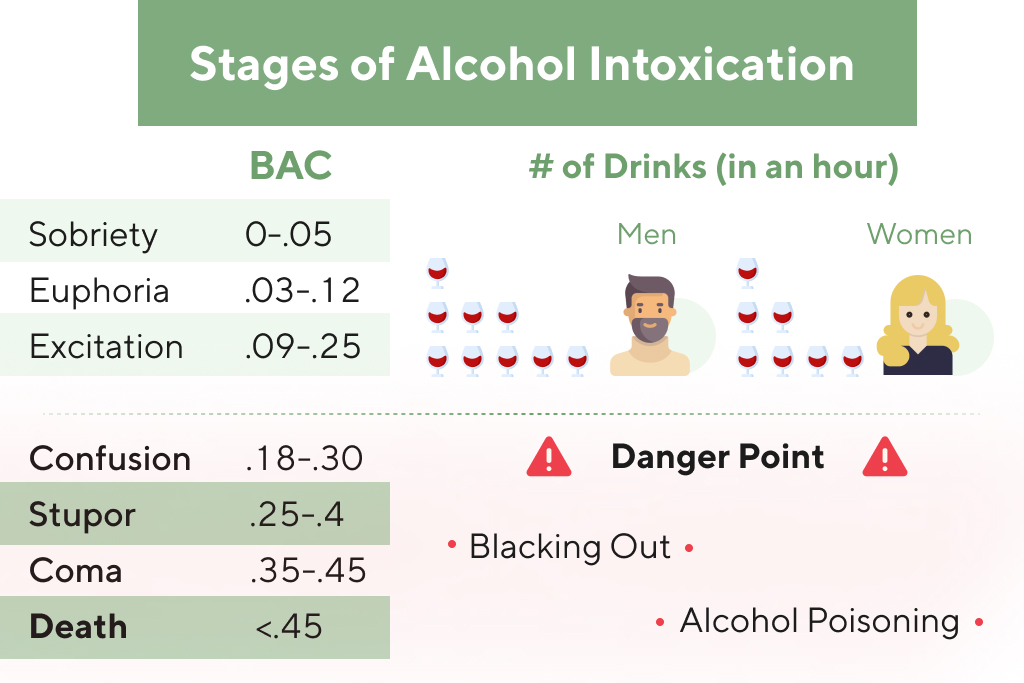
  • Seizures can occur, and an uncommon but dangerous condition called delirium tremens can happen at this point in withdrawal.

Alcohol Detox at Home and the Risks People Don’t Expect

Reach out to our dedicated admissions team today to schedule a confidential evaluation, discuss your options, and start moving forward. For most people doing outpatient detox, symptoms begin to subside significantly by days 4 and 5. You’re not completely back to normal yet – sleep issues and mood problems can linger for weeks – but the acute physical danger has usually passed.

Take the Next Step

  • Delirium tremens is the most severe form of alcohol withdrawal and causes life-threatening symptoms that require immediate medical attention.
  • Document appointments in advance and ensure safe transportation, as withdrawal can impair judgment and driving abilities, and plan for reliable backup in case acute problems arise.
  • They will initially be milder, with a headache, tremors and mild anxiety being the first symptoms.
  • Remove all alcohol from your home or go stay at your support person’s alcohol-free space.

Read our plain-English guide to naltrexone to understand how it reduces the “pull” to drink and cuts down on heavy drinking days. Track Other Vital Signs – Log your pulse, blood pressure, and temperature regularly. Note how much fluid you’re drinking, when you take medications, and how much sleep you’re getting (even if it’s just an hour here and there). However, many people who don’t develop DTs notice symptoms start to plateau or show early improvement by the end of day 3. Daily medical visit continues to ensure you’re on the right track.

alcohol detox at home

Safety First: Why Medical Help Matters

Many people notice hand shaking, internal “vibrating,” or full-body restlessness. The more important Substance abuse question is whether your symptoms are staying in a mild range or escalating into something unsafe. After detox, ongoing treatment through counseling, support groups such as Alcoholics Anonymous and mental health services administration programs can help support sobriety and address underlying issues. If you’re worried that someone you care about is trying to quit drinking on their own and it isn’t going well, you’re not alone.

Family, Employer, and Community Roles in Decision-Making

If you were prescribed medications, your support person helps log doses and track your CIWA-Ar scores every 4 to 6 hours. You’ll have a check-in with your clinician, either via telemedicine or in person. Importantly, seizure risk begins around the 12 to 48-hour mark, according to the Cleveland Clinic.

alcohol detox at home

Leveraging Comprehensive Recovery Programs

  • The staff always went above and beyond no matter what time of the day.
  • Financial concerns shouldn’t prevent you from accessing safe detox.
  • A relapse is returning to a substance after stopping it for a period of time.
  • Viewing detox as one phase within a broader alcohol addiction treatment plan helps set realistic expectations.

The goal during this phase is to keep you safe, reduce discomfort, and prevent serious complications as your body clears alcohol. Choosing a rehab program after detox requires consideration of multiple factors. Transparent information and professional guidance support informed alcohol detox at home decision-making.

This format supports flexibility and real-world skill application within outpatient treatment. After detox, individuals typically undergo a comprehensive assessment to guide treatment planning. This assessment evaluates recovery needs, personal goals, and appropriate program intensity. During this recalibration period, you might experience a range of symptoms beyond the initial acute withdrawal. These can include mood swings, difficulty concentrating, disrupted sleep patterns, and heightened stress responses.

It Doesn’t Feel Like a Hangover—It Feels Like Your Body’s Panicking

The first step in a drug and alcohol detox program is a https://transparencia.bahiadebanderas.gob.mx/?p=20426 thorough assessment. Medical professionals will review your medical history, current substance use, and any underlying physical or mental health conditions. This evaluation allows the detox team to create a personalized treatment plan that ensures your safety throughout the process. During intake, patients may undergo lab tests, vital sign monitoring, and psychological evaluations to determine the most effective detox approach.

If You’re Thinking About Detoxing

You can always call us if you need any support to break free from any drink or drugs that impact your health. Many people choose home detox treatment for alcohol, which means they do not have to head into medical clinics or spaces for a long period of time. That’s why so many people look to start detoxing from alcohol consumption at home – so that they can ensure they break free from liquid dependency and return to a normal way of life. Throughout the first stages of consultation and your ongoing drug and alcohol withdrawal, we can be on hand to help, advise and provide support whenever you need us to. However, it is important to remember that alcohol treatment and withdrawal symptoms can affect different many individuals differently and finding the most suitable options for yourself is important.